

The video features an in‑depth conversation between Jeremy Corbell, George Knapp, and Dr. James Lacatski — the former Defense Intelligence Agency official who helped design and oversee some of the U.S. government’s most secretive UFO research initiatives, including AAWSAP and the highly classified Kona Blue effort. In this first installment, Lacatski speaks with unusual candor, laying out the testimony he says he would deliver directly to Congress if given the opportunity.
Lacatski revisits the turbulent history of government UFO investigations and challenges what he describes as a carefully maintained public narrative. He argues that AARO, the Pentagon office currently tasked with UFO oversight, has misrepresented the true scope of past programs and has engaged in messaging designed to obscure progress made under earlier initiatives. According to him, Kona Blue was never truly shut down — instead, he suggests it continued in forms that the public has never been shown.
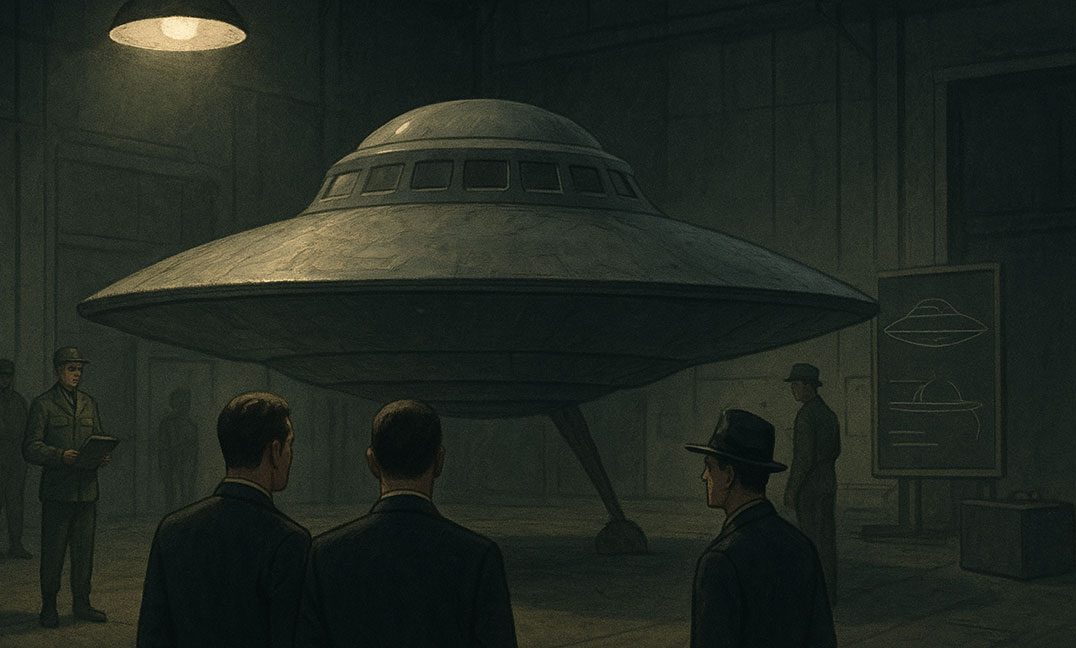
One of the most striking claims he discusses involves a recovered craft reportedly studied by U.S. personnel. Lacatski says teams were able to access part of its structure and encountered technologies that didn’t match any conventional propulsion systems known on Earth. These details, he notes, were cleared for him to disclose.
The interview also revisits the broader environment surrounding UFO research, from the unconventional investigations at Skinwalker Ranch to the political constraints that limited funding during Senator Harry Reid’s tenure. Lacatski describes a landscape where counterintelligence pressure, targeted pushback against whistleblowers, and orchestrated confusion all played a role in shaping what the public ultimately hears.
Throughout the conversation, he stresses that the extensive documentation produced during AAWSAP — more than a thousand pages — offers far more clarity than any modern congressional briefing. To him, contemporary hearings are often performative, while the core questions remain unanswered: Why deny the existence of recovered craft? Why dismiss propulsion data that challenges current scientific models? And what motives drive the official resistance to acknowledging these discoveries?
The video presents Lacatski as a key insider who believes disclosure efforts are less about transparency and more about managing perception. His testimony hints at a deeper, more chaotic reality behind U.S. UFO programs — one that he argues the public still hasn’t been allowed to see

